
Tendinitis and Injuries: Recover your activity without pain
What are tendinitis and musculoskeletal injuries?
Tendinitis and musculoskeletal injuries are one of the most frequent reasons for consultation in physiotherapy. They appear when the tendons, muscles or fasciae of the body are overloaded, inflamed or damaged by repetitive use, sudden efforts or microtrauma accumulated over time. Although they can affect anyone, they are especially frequent in athletes, people with physical jobs and in those who resume physical activity after a period of inactivity.
An accurate diagnosis is essential in these cases, since each lesion has a different origin and treatment. What is often perceived as a simple localized pain can hide a pathology that, if not treated correctly, can become chronic and significantly limit the quality of life.
Most frequent injuries and tendinitis
Plantar fasciitis
Plantar fasciitis is the inflammation of the plantar fascia, a band of fibrous tissue that runs along the sole of the foot from the heel to the toes. It is the most common foot injury in the general population and one of the most frequently consulted in physical therapy. It is characterized by intense pain in the heel that is especially acute when taking the first steps in the morning or after a prolonged period of rest.
Calcaneal spur
A heel spur is a small bony prominence that forms on the heel bone as a result of sustained stress on the plantar fascia. Although it does not always cause pain by itself, when accompanied by plantar fasciitis it can cause very limiting discomfort when walking. With physiotherapy it is possible to reduce the inflammation, relieve the tension on the fascia and recover the functionality of the foot without the need for surgery in the vast majority of cases.
Epicondylitis (Tennis Elbow)
Lateral epicondylitis, popularly known as tennis elbow, is the inflammation of the extensor tendons of the forearm at their insertion in the epicondyle of the elbow. Despite its name, it affects not only tennis players but anyone who performs repetitive movements with the arm, such as working with the computer mouse, painting or carrying weight. It manifests as pain on the outside of the elbow that may radiate into the forearm and worsen when grasping objects or performing wrist extension movements.
Pubalgia
Pubalgia is chronic pain in the pubis and groin area, frequent in athletes who practice soccer, athletics or martial arts due to the continuous changes of direction and the overload of the adductor musculature. It can be very limiting and difficult to resolve if not addressed correctly, since it involves muscular, tendon and joint structures very close to each other. Physiotherapy is essential to reduce inflammation, restore muscle function and ensure a safe return to sporting activity.
Trochanteritis
Trochanteritis or trochanteric bursitis is the inflammation of the bursa located on the side of the hip, at the level of the greater trochanter of the femur. It causes a characteristic pain in the hip that can radiate towards the thigh and worsens when lying on the affected side, climbing stairs or standing for a long time. It is more common in middle-aged women and runners, and responds very well to physiotherapeutic treatment when addressed early.
Achilles Tendinitis
Achilles tendonitis is inflammation of the tendon that connects the calf muscle to the heel bone. It is very common in runners and athletes who jump, and manifests as pain and stiffness in the back of the heel that worsens at the start of physical activity. If not treated properly, it can evolve into a chronic tendinopathy or even a partial rupture of the tendon, so early intervention is essential.
Sprains
Sprains are injuries to ligaments caused by a sudden movement that stretches or tears these structures, with ankle sprains being the most common. Although often minimized, a poorly treated sprain can leave chronic joint instability and increase the risk of re-injury. Physical therapy is essential to reduce inflammation in the acute phase, restore mobility and strength, and work on proprioception to stabilize the joint and prevent relapse.
How do we treat tendinitis and injuries?
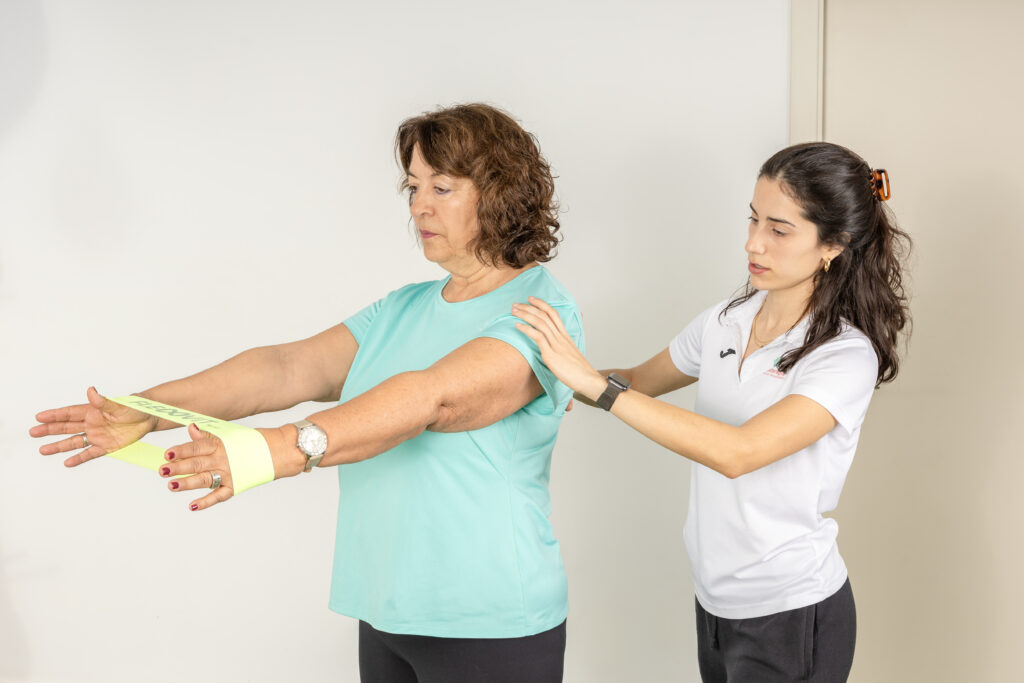
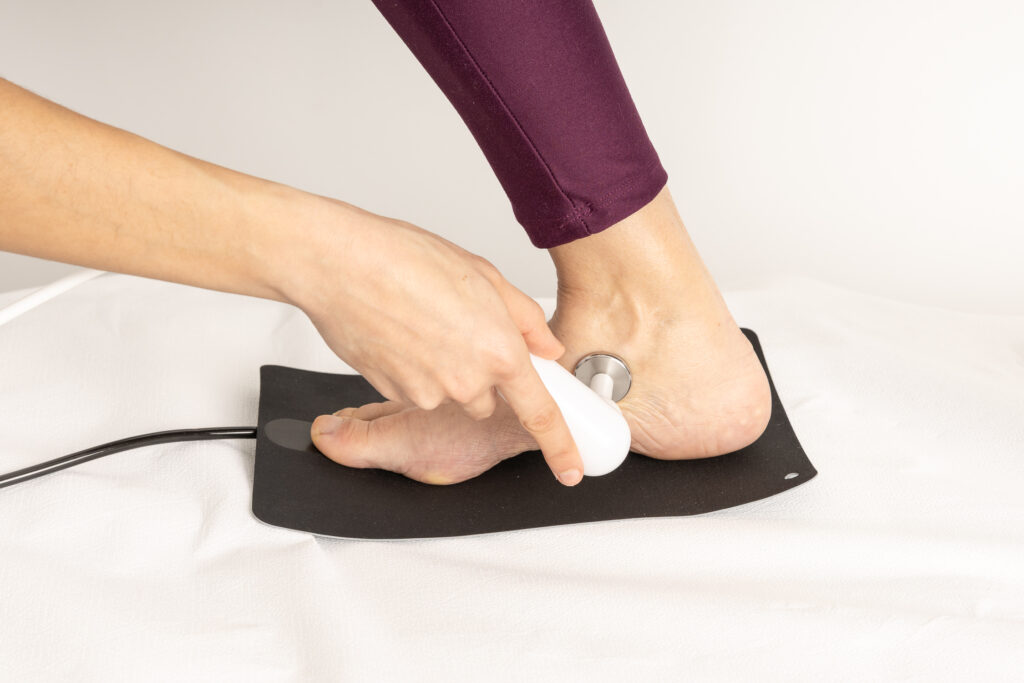
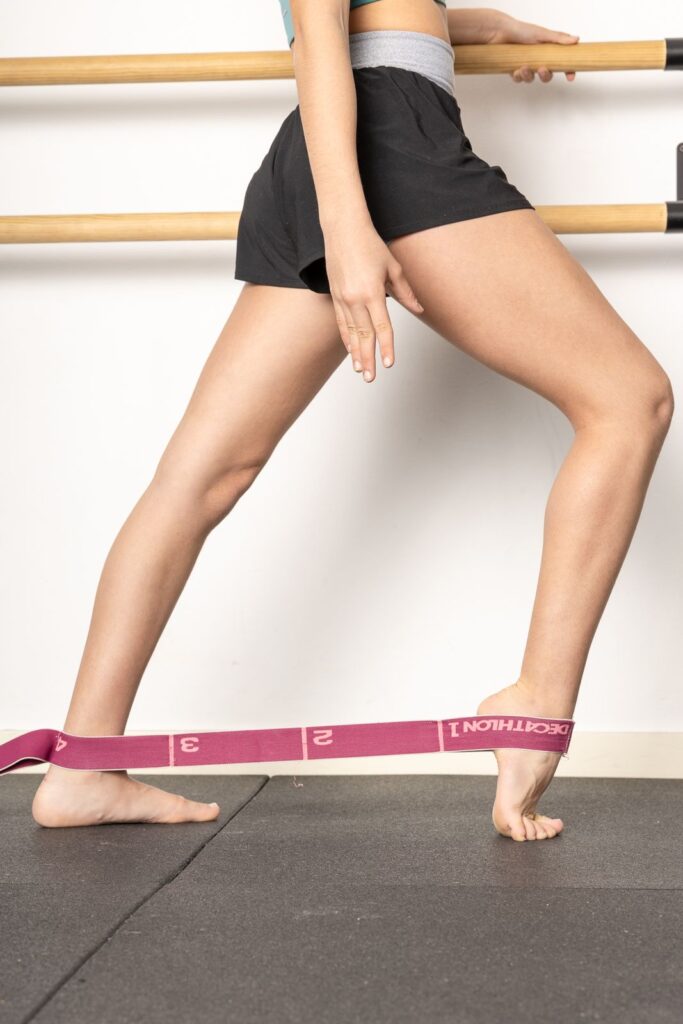
At ERM Fisioterapia we perform a thorough assessment to identify the origin and stage of each injury before designing the treatment plan. We apply manual therapy to reduce stress on the affected tissues and restore mobility, dry needling especially effective in chronic tendinitis and trigger points that perpetuate pain, diathermy to accelerate tendon regeneration and reduce inflammation profoundly and effectively, and eccentric therapeutic exercise which is the approach most supported by scientific evidence for tendinopathy recovery and relapse prevention.
How to prevent tendinitis and injuries?
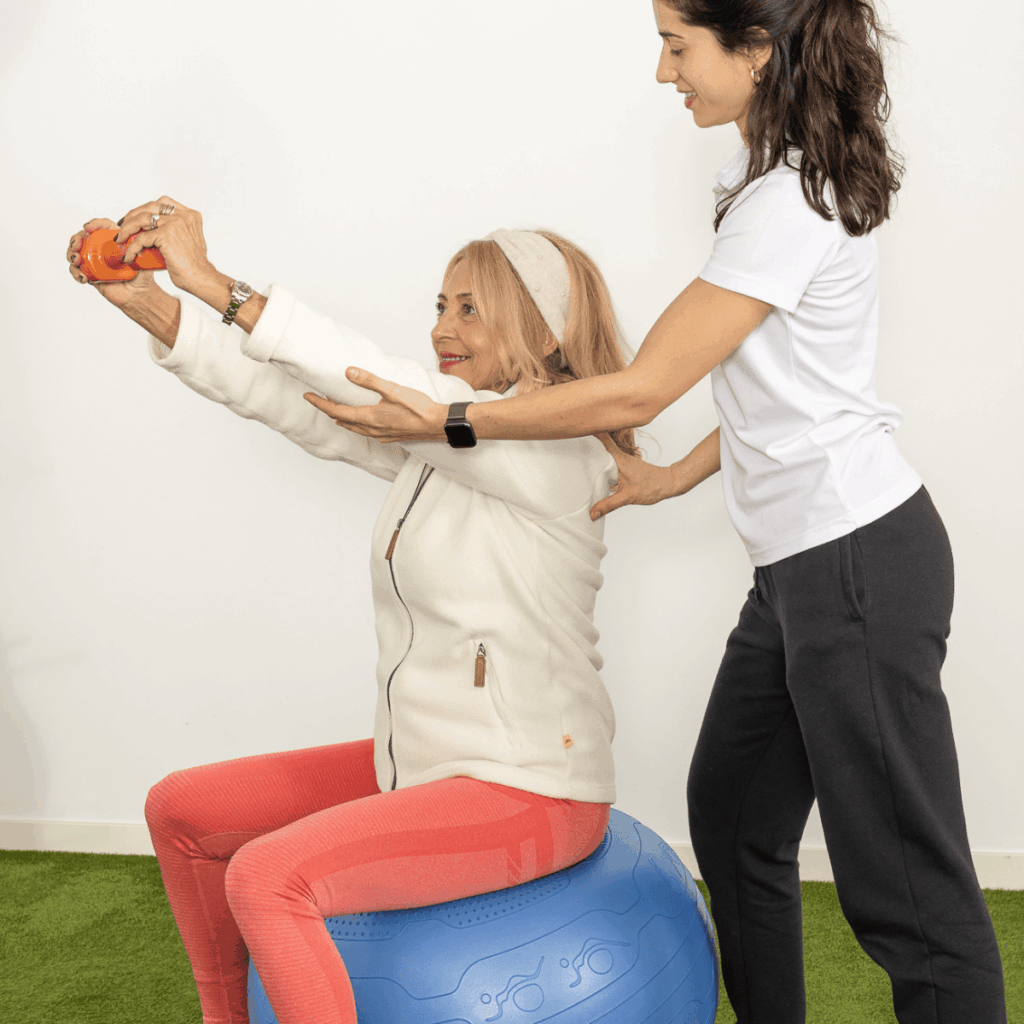
Performing an adequate warm-up before physical activity, gradually progressing in the load and intensity of training, strengthening the muscles surrounding the most exposed joints, respecting rest and recovery times, and consulting a physiotherapist at the first symptoms without waiting for the pain to become chronic are the keys to staying active and injury-free.