
Knee Pain: Specialized Treatment
Why does the knee hurt?
The knee is the largest joint in the human body and one of the most demanding joints in everyday life. It supports the entire body weight, absorbs shock when walking, running or jumping, and allows complex movements that combine flexion, extension and rotation. This combination of load and mobility makes it one of the joints most vulnerable to injury, overuse and pain.
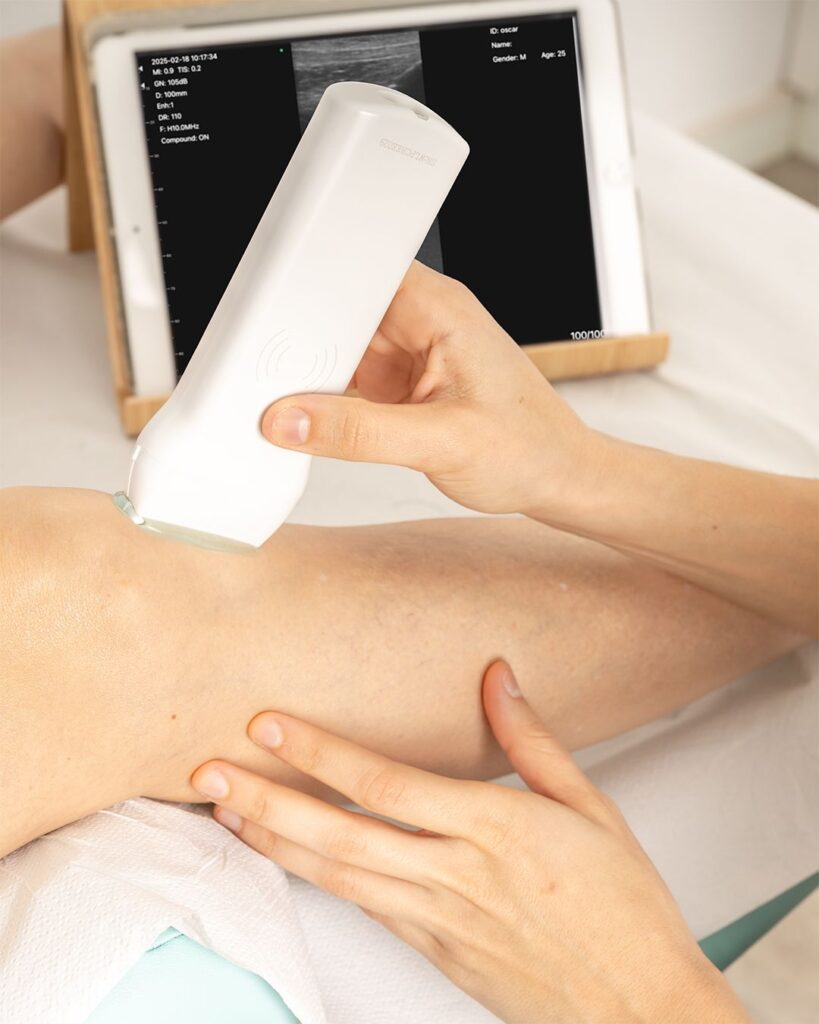
Knee pain can have multiple origins: problems in the cartilage, tendons, ligaments, muscles or the joint itself. That is why it is essential to perform an accurate assessment before starting any treatment, since each pathology requires a different approach.
Most common knee pathologies
Chondromalacia patella
Chondromalacia patella is the wear and tear or deterioration of the cartilage that covers the back of the patella. It is especially frequent in active young people and athletes, although it also appears in sedentary people with overweight or inadequate alignment of the knee. It manifests as a diffuse pain in the front part of the knee that worsens when going up and down stairs, when being seated a long time with the knee flexed or when squatting. Specialized physical therapy can resolve the pain, improve muscle function and restore full mobility.
Knee osteoarthritis
Knee osteoarthritis is the progressive degeneration of the articular cartilage, one of the most frequent causes of chronic knee pain, especially after the age of 50. It causes pain, morning stiffness, swelling and a gradual loss of mobility that can significantly limit daily life. Physiotherapy is essential to reduce pain, improve muscle function and delay the progression of the disease, significantly improving the patient's quality of life.
Knee sprain and ligament injuries
Knee sprains occur when the ligaments that stabilize the joint are stretched or torn, usually by a sudden movement or direct trauma. The most frequently affected ligament is the internal lateral ligament, although anterior cruciate ligament injuries are also common in athletes. In addition to immediate pain and swelling, they can cause joint instability that requires complete rehabilitation to regain stability and return to activity safely.
Tendinitis and goosefoot syndrome
Knee tendinitis is the inflammation of the tendons surrounding the joint, with patellar tendinitis and goose foot syndrome being the most common. The goose foot is a bursa located in the internal part of the knee that is inflamed by overload, causing a characteristic pain in that area that worsens when climbing stairs or getting up after being seated. It is very common in runners, people with osteoarthritis and overweight patients.
How do we treat knee pain?
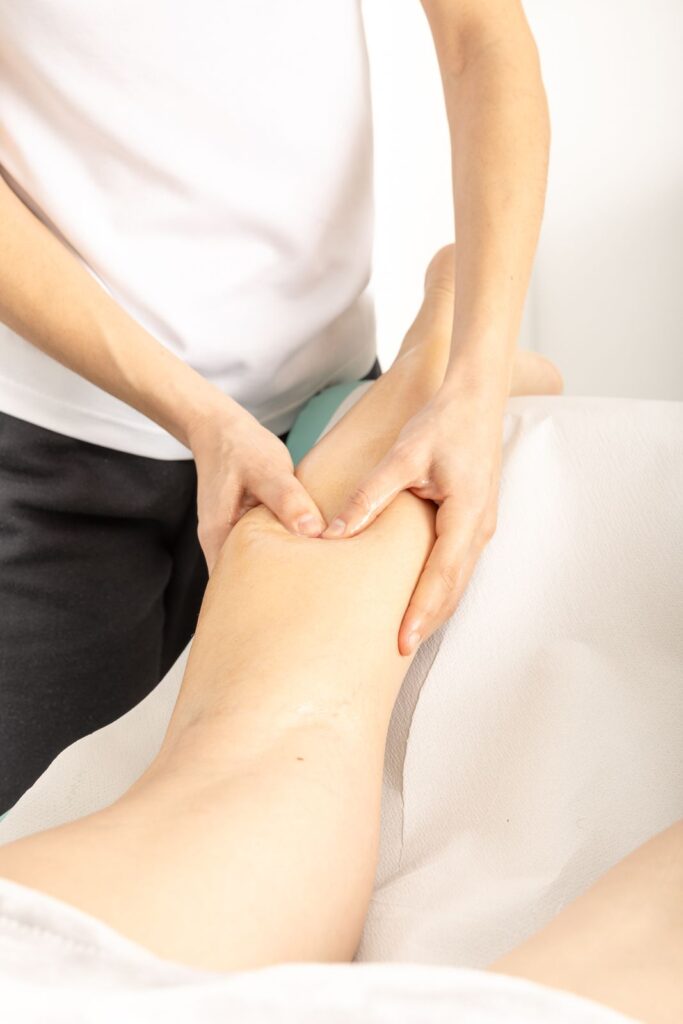
At ERM Fisioterapia we perform a complete assessment to identify the exact cause of the pain and design a personalized plan. We apply manual therapy to restore joint mobility and reduce stress on the tissues surrounding the knee, dry needling to release the muscle trigger points that generate referred pain in the joint, diathermy to reduce inflammation and accelerate regeneration of affected cartilage and tendons, and therapeutic exercise focused on strengthening the quadriceps, hamstrings and knee stabilizing musculature, key to reduce joint load and prevent relapses, in addition to work on the reeducation of gait and stride.
How to prevent knee pain?
Regularly strengthening the leg musculature, especially the quadriceps, gluteus and adductors which are the main stabilizers of the knee, maintaining a healthy body weight to reduce joint loading, warming up properly before exercise and wearing appropriate footwear are the most effective measures to protect the knee and prevent injuries.
When to consult a physical therapist?
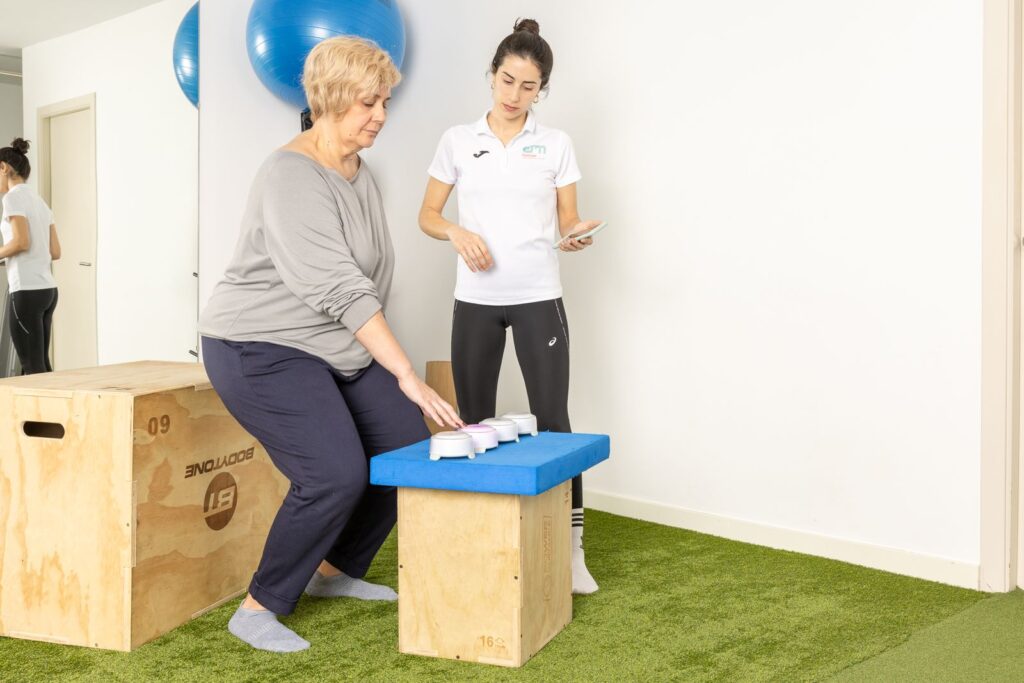
If knee pain does not improve in a few days, if swelling, joint blockage or instability when walking appears, or if the pain limits your daily or sporting activity, it is time to consult. An early diagnosis allows you to start the appropriate treatment before the problem becomes chronic or causes further joint deterioration.