
Urinary incontinence: Regain control and quality of life
What is urinary incontinence?
The urinary incontinence is the involuntary loss of urine, a problem that is more common than is commonly believed and that affects both women and men at different stages of life. Despite its prevalence, it remains one of the most silenced conditions due to modesty and shame, which causes many people to normalize it or assume it as something inevitable when in fact has a solution.
The pelvic floor physiotherapy is the first choice treatment for urinary incontinence, with results supported by scientific evidence and without the need for surgery or medication in the vast majority of cases.
Types of urinary incontinence
There are different types depending on their origin and mechanism. Stress incontinence is the most common and appears when performing activities that increase abdominal pressure such as coughing, sneezing, laughing or exercising. Urge incontinence is characterized by a sudden and uncontrollable urge to urinate that does not allow time to reach the toilet. Mixed incontinence combines both types and is also very common, especially in women after menopause.
Incontinence in women
Urinary incontinence in women is related to the weakening of the pelvic floor after pregnancy and childbirth, the hormonal changes of menopause and the accumulation of abdominal stress and pressure over the years. It is more frequent in women with vaginal births, impact sports or gynecological surgeries.
Most frequent symptoms in women
Urine leakage when coughing, sneezing, laughing or exercising, a feeling of urinary urgency that is difficult to control, the need to go to the bathroom very frequently, a feeling of heaviness or pressure in the pelvic area, associated pelvic pain or sexual dysfunction.
Incontinence in men
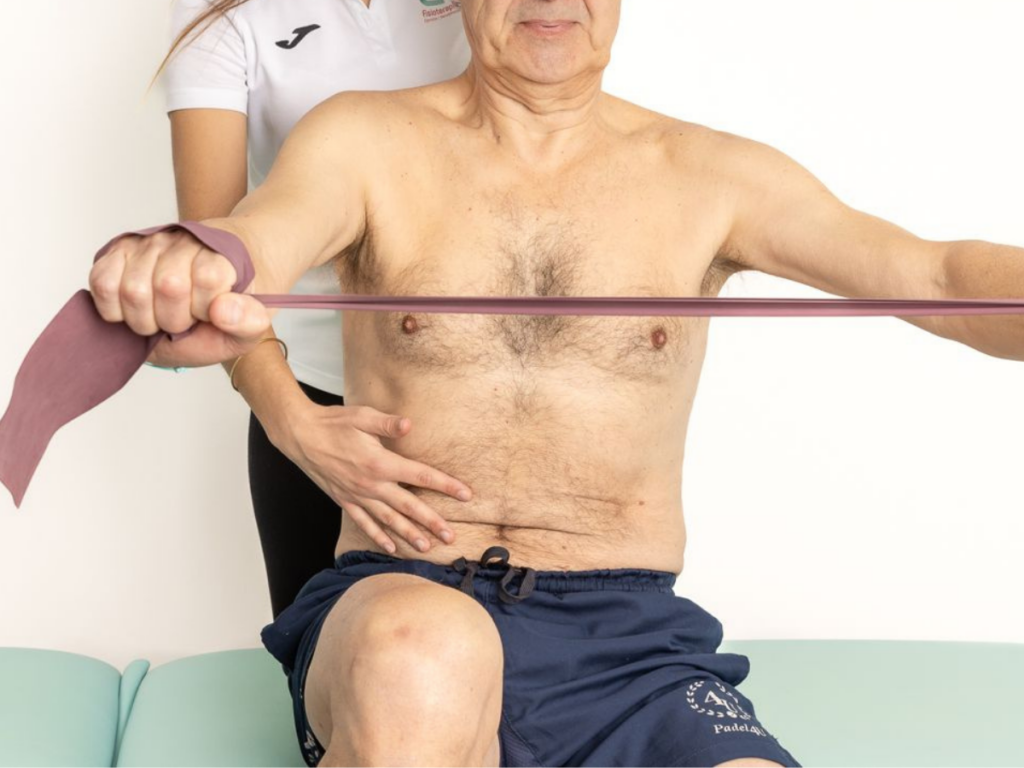
In men, urinary incontinence is less frequent but equally limiting. The most common cause is after prostate cancer surgery, which can affect urinary continence mechanisms. It can also occur after pelvic radiotherapy or as a consequence of prostate enlargement. Pelvic floor physiotherapy is essential in the recovery of these patients, both in the pre-surgery phase to prepare the muscles and in post-operative rehabilitation.
Most frequent symptoms in men
Urinary leakage at rest and/or upon physical exertion, difficulty in controlling urinary stream, urinary urgency, erectile dysfunction and in some cases chronic pelvic pain.
How do we treat urinary incontinence?
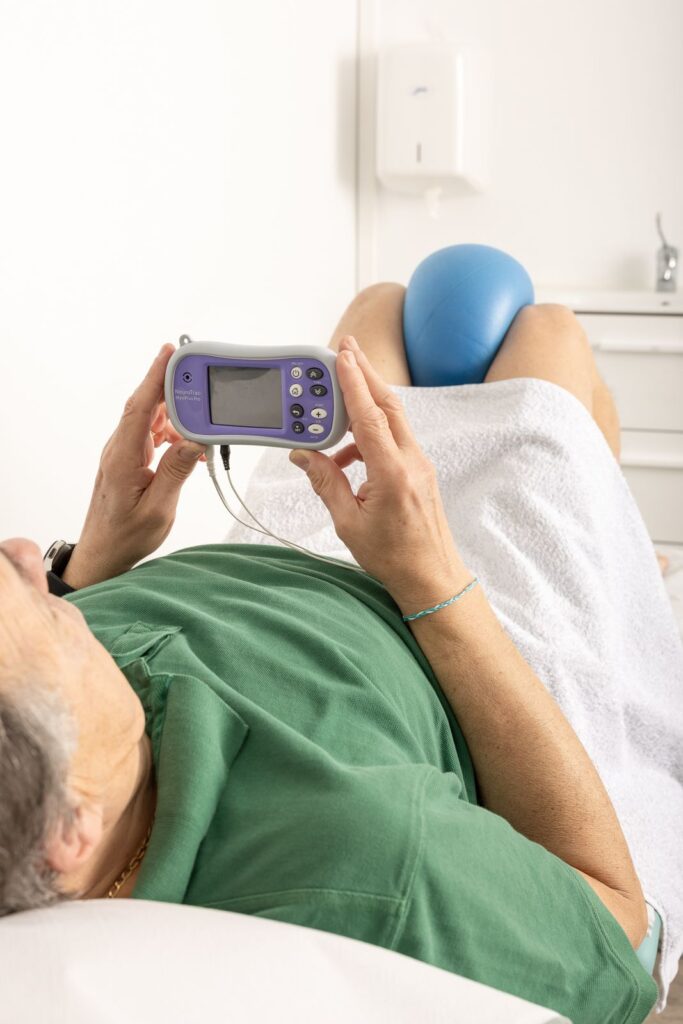
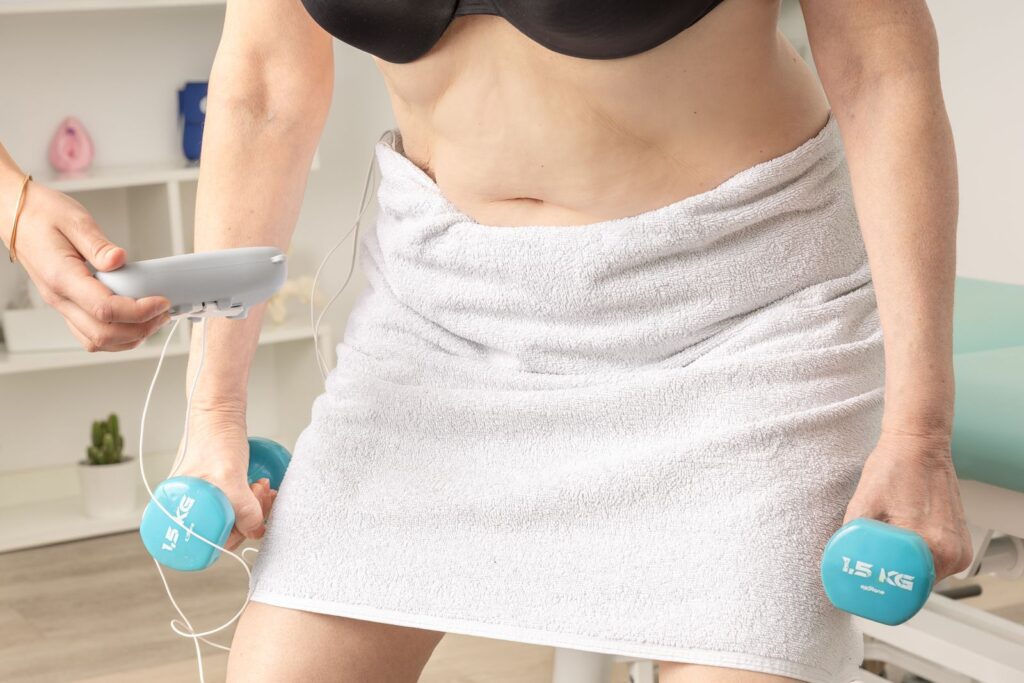
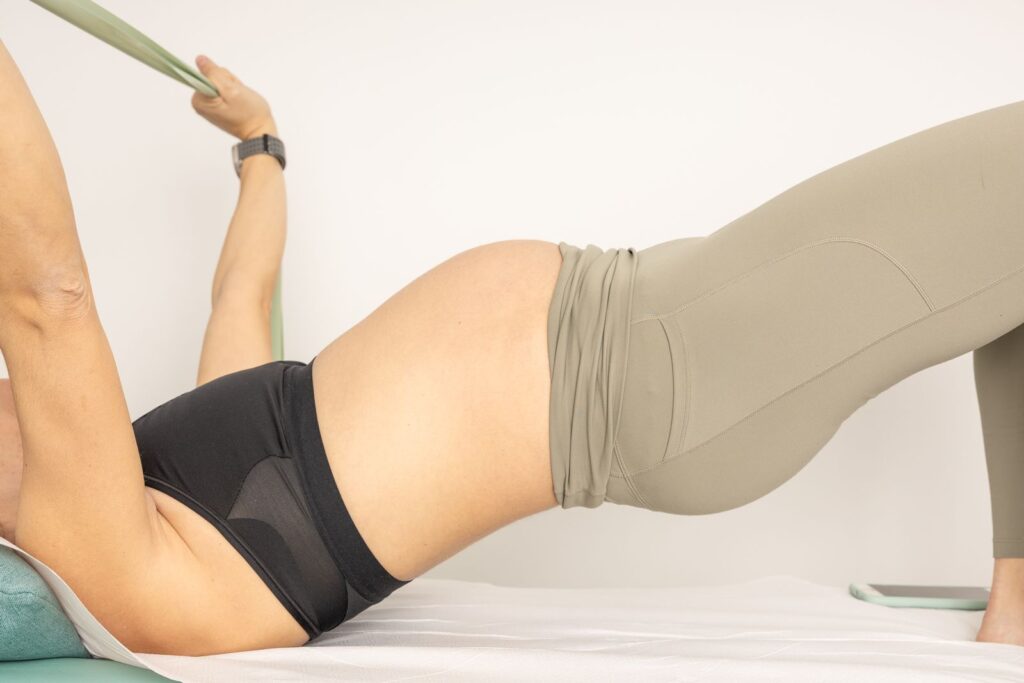
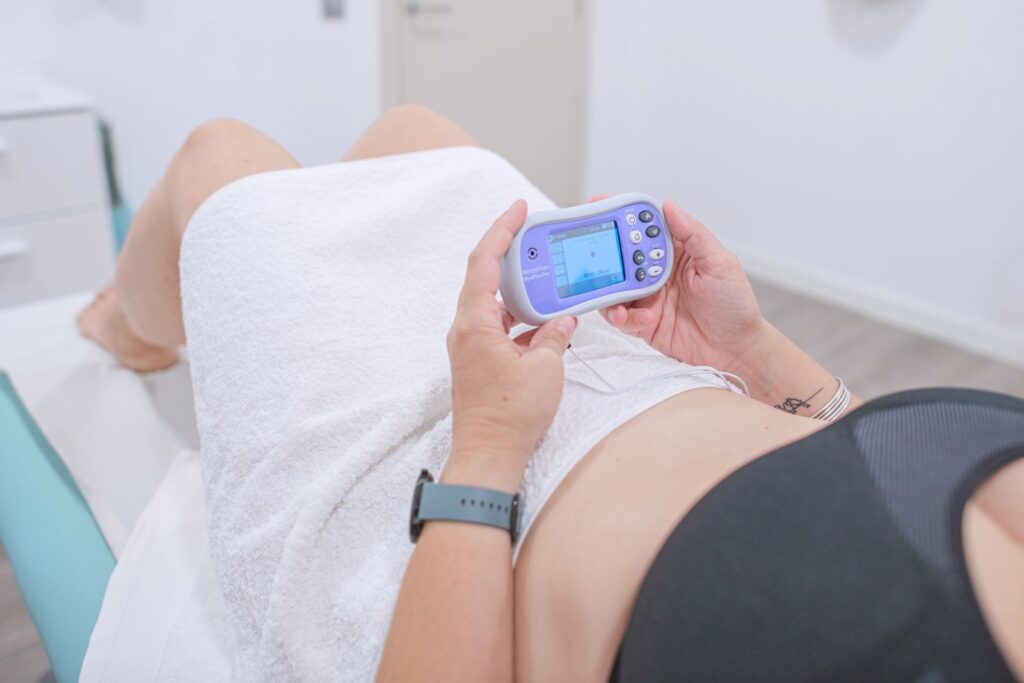
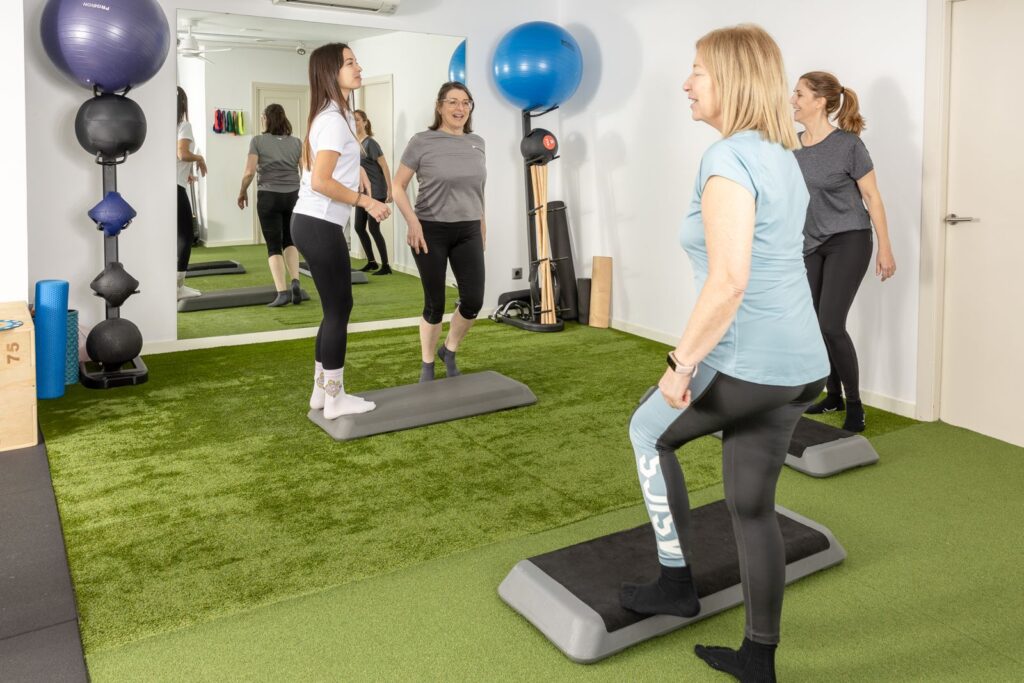
At ERM Fisioterapia we perform a comprehensive assessment of the pelvic floor to identify the exact origin of the problem and design a personalized treatment plan. We apply specific pelvic floor exercises to regain strength and coordination of the pelvic musculature, biofeedback so that the patient becomes aware of his musculature and learns to activate it correctly, electrostimulation to activate muscle fibers that do not respond to the voluntary command, diathermy to improve vascularization and elasticity of pelvic tissues, and postural and habit education to take care of your pelvic floor on a daily basis.
How to prevent urinary incontinence?
Perform pelvic floor exercises on a regular basis, avoid chronic constipation that puts the pelvic floor under continuous pressure, maintain a healthy weight, avoid incorrect abdominal efforts such as hyperpressive abdominals, and consult a physiotherapist specialized in pelvic floor at the first symptoms or doubts.
When to consult a physical therapist?
If you have urine leaks even if they are small, if you feel urinary urgency difficult to control, if you go to the bathroom very often, if you feel a weight / bulge in the vagina or if you feel any discomfort. In ERM Physiotherapy we accompany you throughout the process with a close, professional and taboo-free approach.