
Cervical and Shoulder Pain: Regain Your Mobility
What is neck pain?
Cervical pain is pain located in the neck area, specifically in the seven vertebrae that form the cervical spine. It is one of the most frequent musculoskeletal problems in today's society, closely linked to the prolonged use of screens, sedentary work and postures maintained for hours. The cervical area is one of the most mobile and exposed areas of the entire spine, which makes it particularly vulnerable to injury.
Cervical pain can occur acutely, as with classic torticollis, or chronically when symptoms persist for months. In many cases it not only generates local pain in the neck but also radiates to the shoulders, arms and even causes headaches and neck dizziness, symptoms that are often mistakenly related to other health problems.
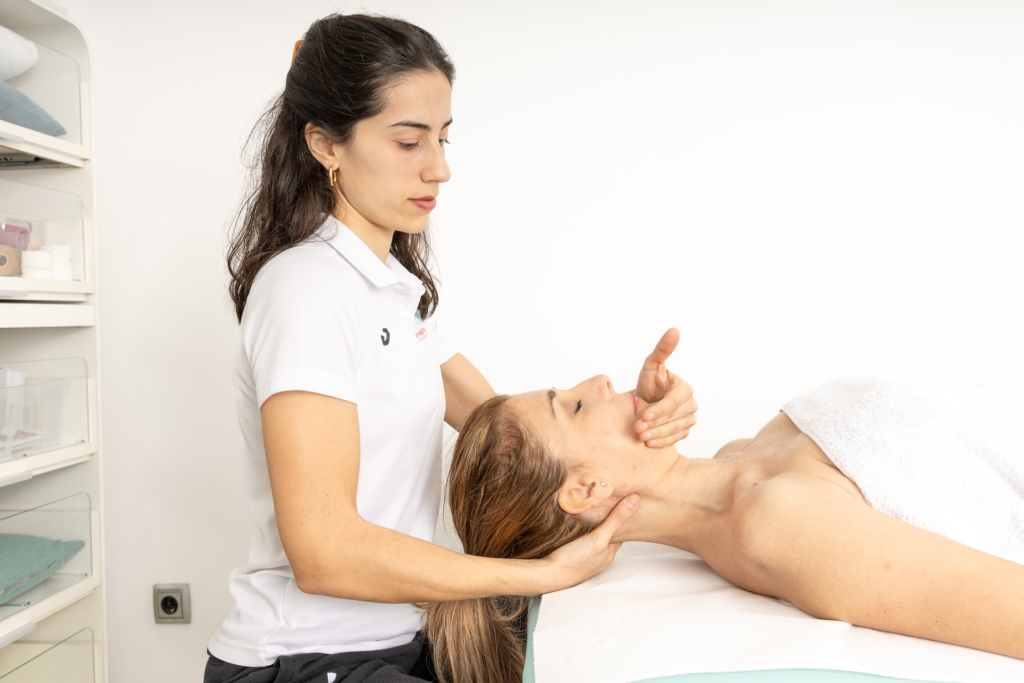
Cervical symptoms
The most frequent symptoms are neck pain and stiffness that limits rotation and tilt movements, sensation of tension or contracture in the muscles of the neck and trapezius, pain radiating to the shoulders or arms, tension headaches starting from the base of the skull, dizziness or vertigo related to cervical muscle tension and migraines or pain in the temporomandibular joint. In cases of cervical herniation or nerve compression, tingling, numbness or loss of strength in the arms and hands may occur.
Cervical causes
The most common causes of neck pain include the following muscle contracturesThe symptoms are usually caused by sustained stress, sedentary lifestyles or lack of physical activity. It is also common the presence of cervical herniaswhich can compress the nerve roots in the area and generate radiating pain. In addition, stress and emotional tension often accumulate in the muscles of the neck and shoulders, increasing stiffness and the sensation of pain. Finally, trauma, such as whiplash after a traffic accident, is another common cause of this type of pain.
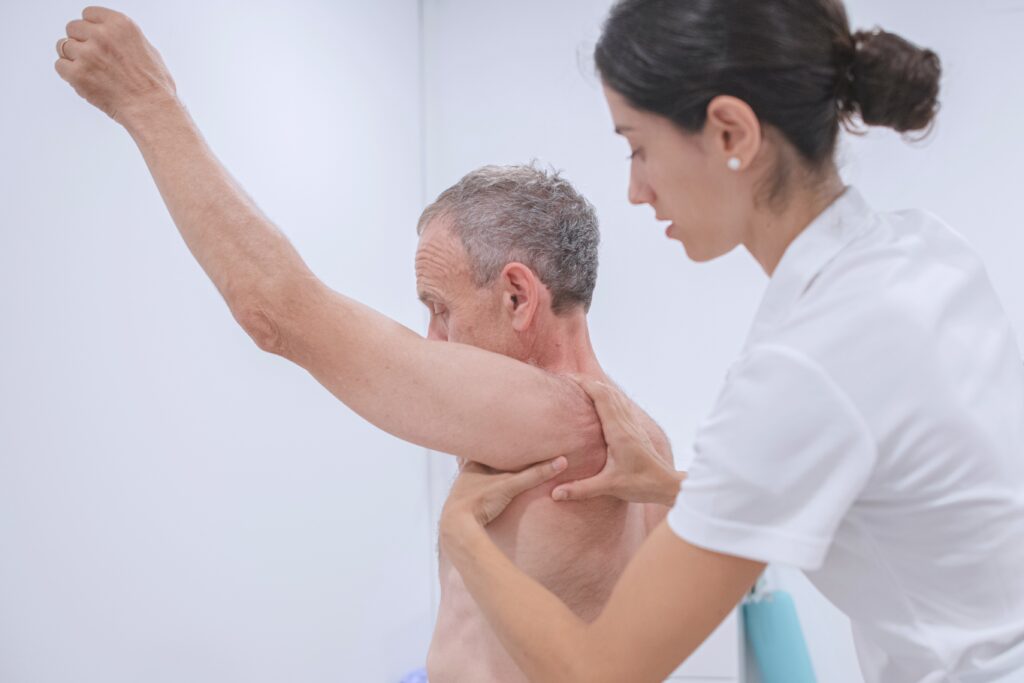
What is shoulder pain?
The shoulder is the joint with the greatest range of motion in the entire human body, which also makes it one of the most vulnerable to injury and overload. Shoulder pain can originate in very different structures such as tendons, muscles, bursa or the joint itself, so correctly identifying the cause is essential to apply the appropriate treatment.
It is very common for neck pain and shoulder pain to appear together or to be confused with each other, since they share innervation and musculature. A cervical problem can generate referred pain in the shoulder, and a shoulder injury can cause tension and pain in the neck and trapezius area.
Most common causes of shoulder pain
Among the most common shoulder pathologies that we treat at ERM are the following shoulder tendinitiswhich consists of inflammation of the rotator cuff tendons due to overloading or repetitive movements. adhesive capsulitis u frozen shoulderwhich causes a progressive and very painful loss of mobility; shoulder calcificationwhich occurs when calcium crystals are deposited in the tendons; and subacromial bursitisThe inflammation of the synovial bursa, which is responsible for reducing friction in the joint. In addition to these pathologies, there are other frequent injuries, such as the shoulder dislocationsin which the head of the humerus is displaced from its normal position. humerus fracturescommon after falls or direct trauma; the shoulder prosthesiswhich require a specific rehabilitation process after the surgery; and acromioclavicular injuriesThe most common type of injuries, which affect the joint between the clavicle and the acromion, are very common in falls on the shoulder or sports trauma.
Cervical causes How do we treat cervical and shoulder pain?
At ERM Fisioterapia we perform a complete assessment to determine the exact origin of the problem. Since cervical and shoulder are anatomically closely related, we often treat both areas together. We apply manual therapy to restore joint mobility and reduce pressure on the nerve roots, dry needling to release trigger points that radiate pain down the arm, diathermy especially useful in tendinitis, capsulitis and calcifications, and therapeutic exercise focused on strengthening the rotator cuff and neck stabilizing musculature to ensure a long-lasting recovery.
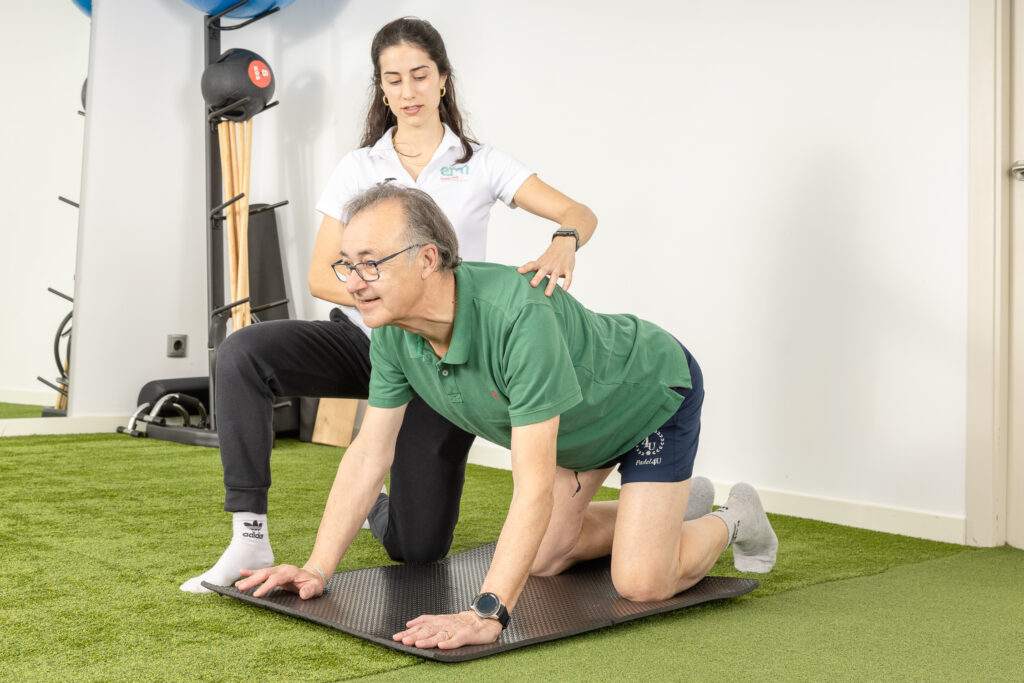
How to prevent neck and shoulder pain?
Taking active breaks every hour to mobilize the neck and shoulders, regularly strengthening the muscles of the neck, trapezius and rotator cuff, and managing stress are the most effective measures to prevent these problems. In addition to performing strength exercises to prevent injuries and pain. In the case of the shoulder, it is especially important not to force overhead movements if there is already pain and to consult a physiotherapist at the first symptoms to prevent the problem from becoming chronic.