
Low Back Pain and Sciatica: Regain your mobility without pain
What is low back pain?
Low back pain, also known as lumbago, is one of the most frequent health problems in the adult population. It is located in the lower back, between the ribs and the buttocks, and can appear suddenly after a specific effort or develop progressively as a result of postures maintained over time, sedentary lifestyle or the natural wear and tear of the structures of the spine.
There are two main types: the acute low back painwhich appears abruptly and generally resolves within a few weeks, and the chronic low back painWhen it persists for more than three months and requires a more global and individualized approach. In both cases, physiotherapy is the treatment of first choice, as it helps to reduce pain, recover mobility and prevent relapses through therapeutic exercise, education and active work of the patient.
It is important to know that most back pain does not require imaging tests in the early stages, as it usually improves with conservative treatment.
The decision to perform an X-ray or MRI should be based on the clinical evaluation and the patient's evolution, and not solely on the presence of pain or on the image itself.
In addition, it is essential that the patient does not wait for imaging tests to start treatment. In most cases, an early approach with physiotherapy is the key to a better recovery. Therefore, it is recommended to see a physiotherapist from the first days of severe pain, provided that warning signs have been ruled out, in order to start treatment, improve mobility and avoid chronification of the problem.
In the absence of warning signs, current evidence supports an approach based on movement, education and physiotherapy, avoiding unnecessary tests in early stages and prioritizing the patient's functional recovery.
Most frequent causes of low back pain
Among the most common causes we find disc herniation, which occurs when the nucleus of an intervertebral disc presses the nerve roots; blockage or dysfunction of the vertebral joints: facet joints can become inflamed or lose mobility, causing acute pain, especially with certain movements or prolonged postures; muscle overload or strain: It is the most common cause, is produced by: Improper weight lifting, sudden movements or sudden turns, repeated efforts without sufficient rest, Lack of physical condition or muscle fatigue and sedentary lifestyle, which weakens the stabilizing musculature of the spine and makes it more vulnerable to injury.
Symptoms of low back pain
The most common symptoms are dull or stabbing pain in the lower back that worsens with prolonged sitting or getting up in the morning, muscle stiffness that limits mobility in everyday activities such as bending or twisting, and a feeling of tension or contracture in the paravertebral musculature. In cases of disc herniation or nerve compression, pain may radiate to the buttocks or legs accompanied by tingling or loss of strength.

What is sciatica?
Sciatica is pain caused by irritation or compression of the sciatic nerve, the longest nerve in the human body. It originates in the lower back, passes through the buttocks and descends down the back of the leg to the foot. When this nerve becomes compressed or inflamed, pain can travel all the way down this path, causing a sensation that many patients describe as an electric shock or an intense burning sensation down the leg. Sciatica is not a disease in itself but a symptom, so it is essential to identify and treat the root cause and not just relieve the pain temporarily.
Symptoms of sciatica
The most common symptoms are severe pain that starts in the lower back or buttock and travels down the back of the leg and may reach the foot, a burning or tingling sensation along the nerve pathway, loss of strength in the affected leg that may make it difficult to walk or stand, and pain that worsens when sitting, coughing or sneezing.
Most common causes of sciatica
It is the most common cause. It occurs when the intervertebral disc displaces and compresses a nerve root.
- It can generate lumbar pain with irradiation to the leg.
- Usually worsens with bending, straining or sitting
It consists of a narrowing of the vertebral canal, which reduces the space available for the nerves.
- More frequent in the elderly
- Pain when walking or standing for long periods of time
- Improved sitting or forward leaning of the trunk
The sciatic nerve can be compressed in the gluteal region by deep musculature. Deep gluteal syndrome
- Gluteal pain that may radiate down the leg
- Worsens when sitting
- There is usually no lumbar spine injury
Progressive wear of the intervertebral discs can irritate the nerve roots.
- Associated with age or repeated overloads
- It may coexist with chronic low back pain.
How do we treat low back pain and sciatica?
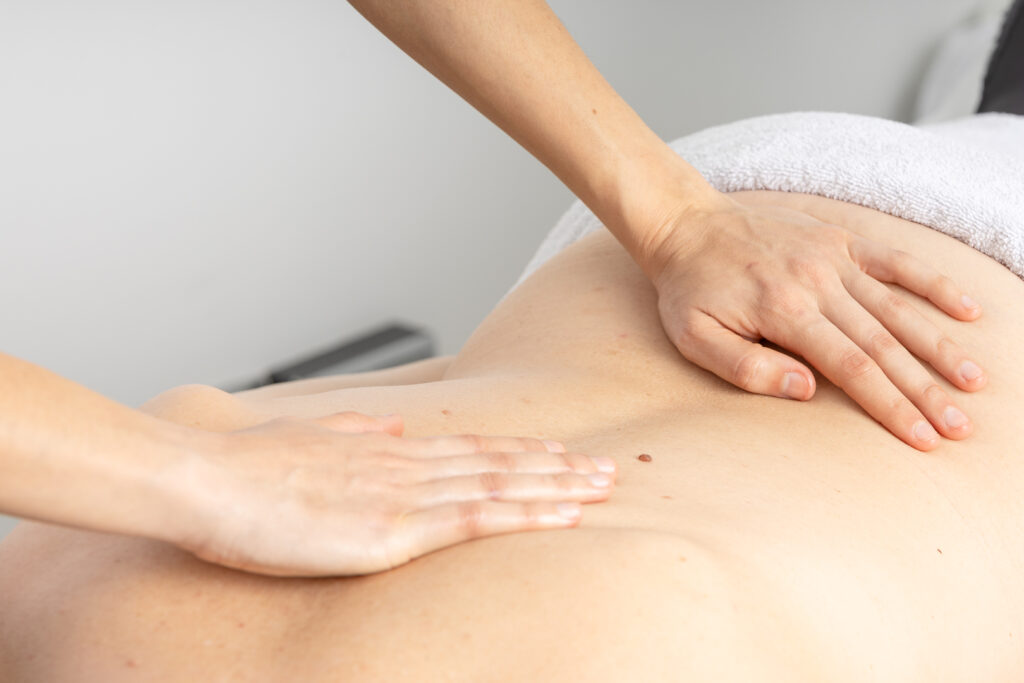
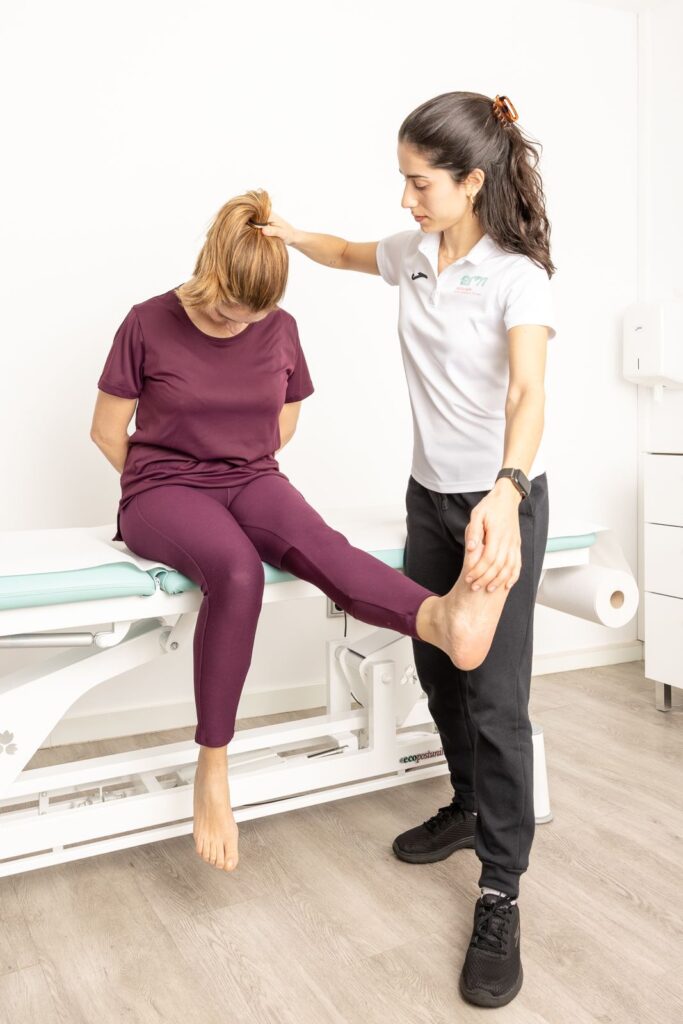
At ERM Fisioterapia we start with a thorough assessment to identify the exact origin of the pain and design a completely personalized plan. We apply manual therapy to recover movement and relieve pressure on the muscles. intervertebral discs and nerve roots, dry needling or neuromodulation to reduce symptoms in the lumbar and gluteal region, especially effective in cases of sciatica due to piriformis syndrome, neurodynamics, diathermy to reduce inflammation and accelerate tissue regeneration, and therapeutic exercise focused on strengthening the abdomino-lumbo-pelvic complex, especially the buttocks and the stabilizing muscles of the spine to prevent relapses and recover full functionality. In addition to incorporating cardiovascular exercise to lower inflammation.
How to prevent low back pain and sciatica?
Prevention is an essential part of physiotherapy work. Regularly strengthening the core and gluteal muscles, breaking the sedentary lifestyle both at work and at home, getting up and moving every hour to reduce the pressure on the intervertebral discs, and especially working on strength training at least two days a week and proper sleep hygiene and a varied diet are the most important habits to maintain a healthy back and prevent the problem from recurring.
When to consult a physical therapist?
If low back pain does not improve in a few days, if it radiates down the leg, if symptoms such as tingling or loss of strength appear, or if the pain interferes with your daily life and rest, it is time to act. The sooner the problem is treated, the faster and more complete the recovery will be and the lower the risk of it becoming chronic.